The Algorithm Knows What You Watched, But Does It Know What You Need?
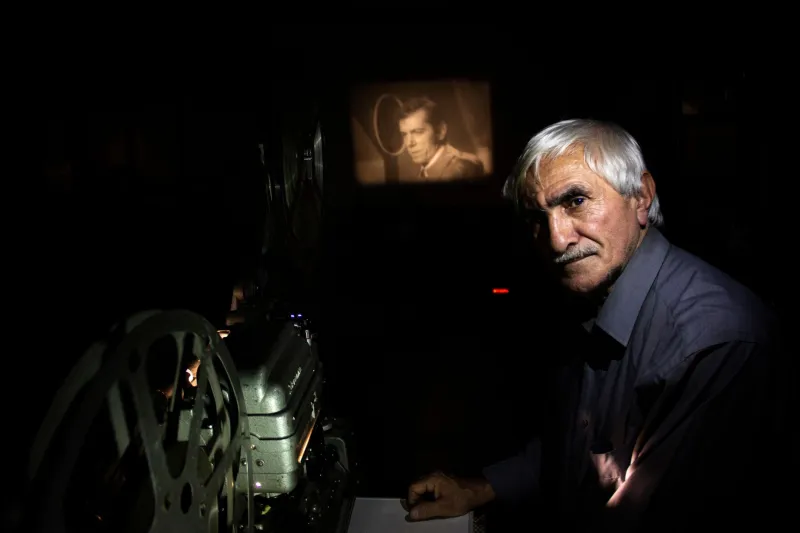
There is a particular kind of power that arrives wearing the costume of generosity. Streaming platforms, over the past decade, have presented themselves to filmmakers as liberators — entities capable of greenlit ambition that traditional studios would have strangled at the pitch stage. And in certain measurable ways, that promise has been honored. Series exploring grief without resolution, films centering characters long invisible to Hollywood's conventional imagination, and narratives structured in ways that would have baffled a 1990s studio executive have all found homes on these platforms. The gates, many argued, had finally swung open.
What fewer people discussed openly was who — or what — was now standing in the doorway.
The Data Portrait and Its Distortions
Every major streaming service operates on a foundation of behavioral data so granular it would have seemed fantastical to filmmakers of even twenty years ago. Platforms track not merely what subscribers watch, but where they pause, when they abandon a story, which scenes prompt rewinding, and how completion rates vary across demographic clusters. This information, proponents argue, removes the guesswork from creative investment. Why gamble on instinct when the audience has already told you, through millions of micro-decisions, exactly what it wants?
The problem, as any serious student of storytelling will recognize, is that human beings are not always reliable narrators of their own desires. We watch comfort television when we are exhausted and call it preference. We abandon challenging films at the forty-minute mark not because they have failed us, but because we have not yet risen to meet them. The data captures behavior; it does not capture aspiration. It records the person we were at ten o'clock on a Tuesday evening, not the person we hoped to become when we first sat down.
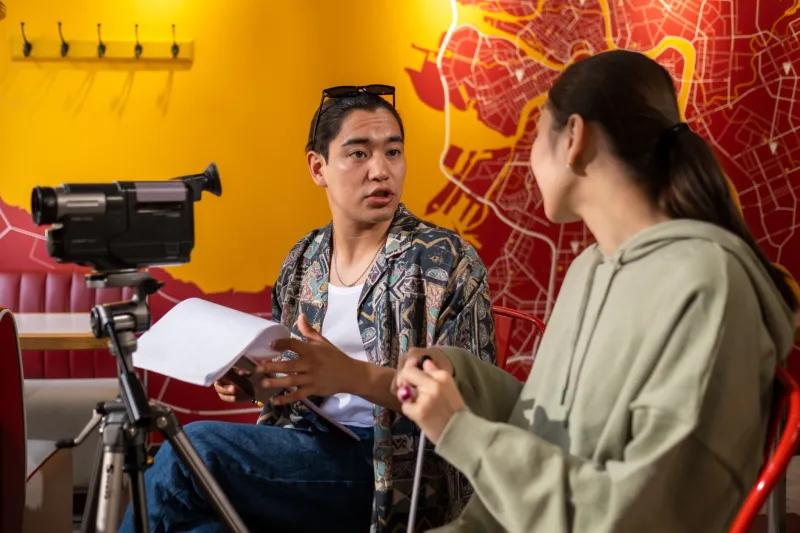
Director Camille Osei, whose debut feature navigated a difficult path through a streaming acquisition deal before reaching audiences last year, described the experience with characteristic precision. "They kept referencing what their subscribers had responded to previously," she said. "But I kept thinking — responded to, or settled for? Those are genuinely different things, and the data cannot tell you which one you're looking at."
When the Wish-Granter Sets the Terms
The deeper paradox of the current streaming landscape lies in the nature of the creative freedom being offered. A filmmaker who might once have spent years fighting for a modest theatrical release now has access to a global audience of tens of millions — provided the project fits within parameters the platform has determined, through data analysis, represent viable creative territory. The wish is granted. The genie, however, has read the fine print.
This is not a simple story of corporate villainy. The executives making these decisions are, in many cases, genuine enthusiasts of cinema who believe sincerely that they are serving both audiences and artists. The difficulty is structural rather than moral. A platform answerable to quarterly subscriber metrics cannot easily champion a film that its own data suggests will alienate the median viewer, even if that alienation is precisely the point — even if the discomfort is the art.
Producer Marcus Delacroix, who has shepherded projects through both traditional studio systems and streaming acquisitions, frames the distinction carefully. "Studios were always risk-averse. That's not new. What's new is the precision of the risk assessment. Before, a studio executive might pass on something because of a gut feeling. Now they can show you a slide deck explaining exactly why your ending tested poorly with viewers aged twenty-five to thirty-four in the Mountain Time Zone. The rejection is more thorough. Whether it's more accurate is another question entirely."
The Narrowing Spiral
Perhaps the most pressing concern raised by filmmakers navigating this landscape is what might be called the narrowing spiral — a feedback loop in which algorithmic recommendations shape viewing habits, viewing habits generate data, and data informs greenlight decisions, which in turn produce more content that resembles what has already succeeded. Each revolution of this cycle tightens the creative aperture slightly further.
The consequences are not always visible in any single programming decision. No individual film is obviously the casualty of this process. The effect is more atmospheric — a gradual shift in the kinds of stories that feel possible, a slow erosion of the narrative edges where the most uncomfortable and necessary art tends to live. The cinema of rupture, of genuine surprise, of formal experimentation with no guaranteed audience, becomes incrementally harder to justify within a system that has made justification so quantitatively precise.
Screenwriter Yara Fontaine, who recently completed a project that underwent significant revision during the streaming development process, described feeling a kind of creative vertigo. "You start second-guessing your instincts in ways you never did before. Because now there's always this implied question: what does the data say? And once that question exists in the room, it changes the room. It changes what you're willing to fight for."
The Case for Productive Tension
It would be intellectually dishonest, however, to construct this entirely as a cautionary narrative. The relationship between constraint and creativity has always been more generative than it appears from the outside. Some of the most formally inventive American cinema has emerged not despite institutional pressure but in direct conversation with it — artists finding oblique angles of approach precisely because the direct route was blocked.
There is also a genuine argument to be made that algorithmic platforms have democratized access to storytelling in ways that offset their homogenizing tendencies. Audiences who would never have encountered certain stories through traditional theatrical distribution have discovered them through streaming recommendation engines. The algorithm, for all its limitations, has occasionally served as an unexpected matchmaker between difficult art and the viewers who most needed it.
The more honest assessment is that streaming platforms represent neither salvation nor catastrophe for serious cinema, but rather a new set of conditions — conditions that require filmmakers to develop a sophisticated understanding of the systems they are working within, and to make deliberate choices about which battles are worth fighting and which compromises are genuinely harmless.
What Gets Left in the Dark
The question that lingers, and that no data set can fully answer, is what stories are not being told — not because they were proposed and rejected, but because the current creative climate has made them feel unpitchable before the conversation even begins. Self-censorship of this kind is the most invisible form of creative narrowing, and therefore the most difficult to measure or counter.
Cinema, at its most essential, has always been in the business of showing audiences something they did not know they needed to see. The jinn of folklore granted wishes, but the most instructive tales were always about the wishes the seeker hadn't thought to make — the desires that lay beneath the stated desire, waiting for the right story to name them.
The algorithm knows what you watched. The more urgent question, for filmmakers and audiences alike, is whether the systems now shaping American cinema will leave room for the stories that reveal what you didn't yet know you were looking for.